
Free
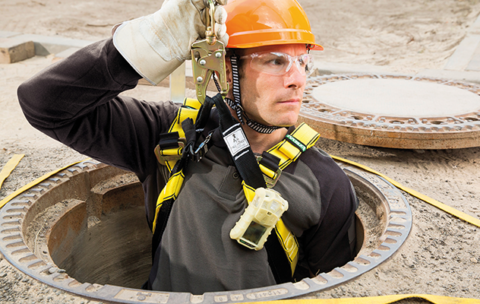
Confined Space Entry
It is critically important that the people involved in making …
What you'll learn
Enclosed Space Entry Procedures.
Types and importance of ventilation.
Atmosphere testing and monitoring.
Space preparation for entry.
Rescue arrangements and resuscitation equipment at the entrance.
Supervisory control and experienced person in attendance at the entrance.
Communication arrangements between the supervisor and entrants.
Safe access and illumination.
Personal protective equipments.
Breathing apparatus.
Permit to Work.
Training requirements for Confined Space Entry.
Emergency Drills.
Actions by Emergency Rescue Team in the event of an emergency.

Free
Working at Height
From use of simple stepladders to safety harnesses, there is …
What you'll learn
Roles and responsibilities of the employer, constructor (if applicable), supplier, supervisor and worker, with respect to working safely at heights;
Hazards of working at heights;
Hierarchy of controls (such as elimination, isolation, engineering, substitution, administrative or PPE), related to working at heights;
Types of warning methods (signs and bump lines) and physical barriers (fencing, guard rails, protective coverings) and their appropriate use;
Use of Ladders and other Elevated Work Platforms;
Use of PPE and when a travel restraint system, fall restricting system or fall arrest system would be required and the essential components of each.

Free
Hand Tool Safety
Use of tools makes many tasks easier. However, the same …
What you'll learn
A review of how often tools are used at the workplace and how dangerous they can be.
Information on different types of tools and the injuries they can cause
Chronic and serious health conditions that can arise from tools, such as hearing loss, respiratory problems, and back injuries.
The differences between handling power tools and non-motorized tools.
Free
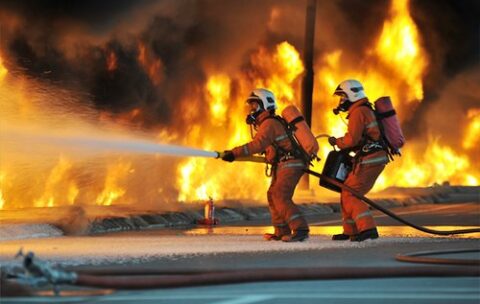
Fire Safety
Fire is considered the most common threat for workplace accidents …
What you'll learn
Realize the methodologies involved in fire formation
Discuss the classification & causes of fire at the workplace
Discuss the importance of various fire control mechanisms
Outline the factors involved in the prevention of fire
Familiarize with workplace Inspection & reporting procedures
Describes various fire safety devices & their working mechanisms
Details the essential requirements of the emergency evacuation plan
Recognize the different types of fire extinguisher & their usage

Free
Electrical Safety
The majority of us use electricity every day on the …
What you'll learn
Understand electricity in the workplace.
Understand the associated hazards and risks.
Standards and regulations.
Qualified and unqualified worker.
Effects of electricity on human body.
Appreciate the need to isolate equipment and the techniques of safe isolation.
Understand about the need of safe systems of work, and
Documentation required ensuring that any risk to personnel is minimized.

Free
Construction Safety
Construction is one of the areas of employment where hazardous …
What you'll learn
Accidents in construction industry.
Statutory Regulations pertaining to Indian Construction industry.
Construction Safety Management.
Safety in Excavations and Trenching.
Safety in Work at Height.
Scaffolding Safety.
Electrical Safety.
Safety in Material Handling.
Safety in Welding & Gas Cutting.
Accident case studies at construction site.

Free
Defensive Driving
Global statistics says 1.2 million people worldwide are killed in …
What you'll learn
Understand the basics of defensive driving with examples
Details the different types of hazards related to vehicle movements
Realize the importance of physical & mental wellbeing of drivers
Gain in-depth knowledge on diverse vehicle conditions
Discuss the different types of routes & environmental conditions leading to accidents
Recognize the criteria’s required for a safe site, safe vehicle conditions & safe journey
Discuss how to deal with unanticipated situation/accident
Explain how the vehicle safety devices help in protecting the vehicle occupants

Free
Incident Investigation
It is critical to learn from the past and prevent …
What you'll learn
State the purpose of investigating incident
Know the key benefits of accident investigation
Find out the reasons of incidents
Identify suitable control measures
Evaluate possible risk control measures
Need of reporting the incident
Specify basic investigation procedures
Note the information to be collected
Determine the casual factors of incident
Prepare the investigation report
Share the findings of investigation report
Implement corrective actions